The Office Fire Safety Checklist You Need
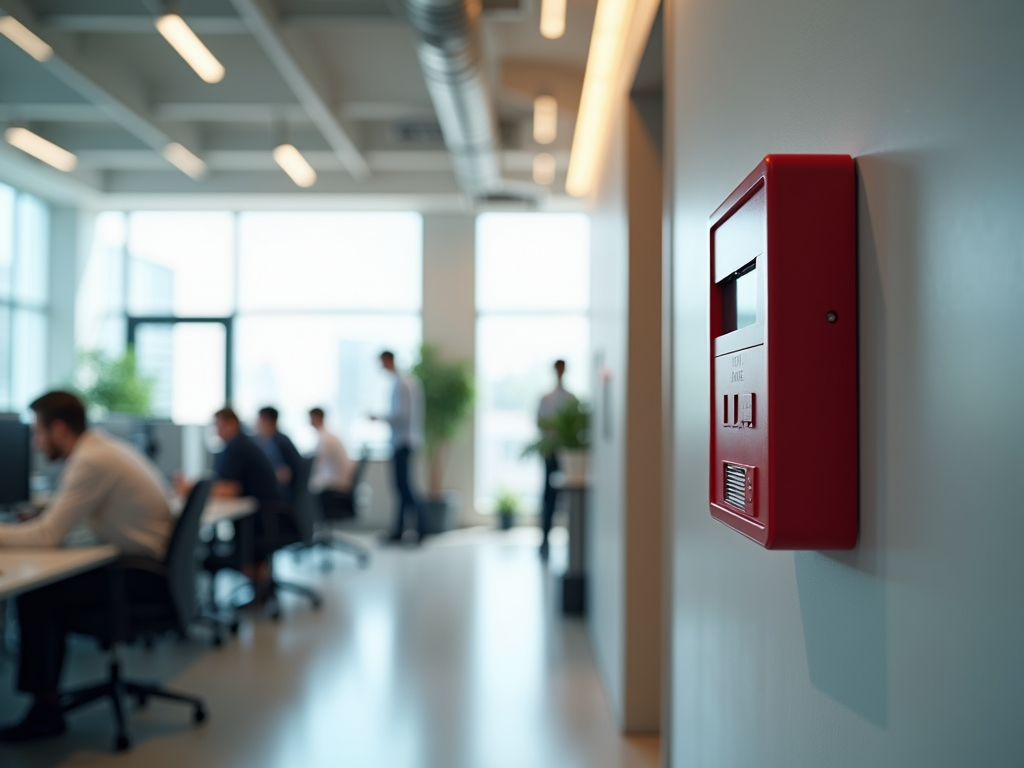
Could everyone in your office confidently respond if a fire broke out right now? Fire safety is one of those things many workplaces assume they’ve got covered, until something happens. A box-ticking exercise once a year isn’t enough. Real safety comes down to preparation, knowledge, and keeping systems properly maintained. If you’re not sure where to start, here’s a clear, practical checklist that highlights what really matters.
1. Fire Alarm System – It Has to Work. Every Time.
If there’s one thing you must get right, it’s the office fire alarm system. It’s not enough for it to exist. It needs to be tested weekly, maintained professionally, and easily recognised by everyone in the building. Staff should know what it sounds like and how to respond immediately.
Whether you have manual call points or automatic detectors, your system must be loud enough to be heard across every room, including meeting areas, stairwells, and toilets. If there’s any doubt about coverage or reliability, that’s a red flag. Don’t wait for an inspection to find out it’s faulty.
2. Keep Alarm Points and Escape Routes Clear
Clutter is one of the most common problems in offices, and one of the most dangerous in a fire. Furniture, filing cabinets, parcels, even bins, have a habit of creeping into corners where they shouldn’t be. It only takes one blocked alarm point or a partially obstructed exit to turn a safe office into a dangerous one.
Every call point should be easy to reach without hesitation. Escape routes must be completely free of obstructions. That includes doors that stick, exits used for storage, or stairwells crammed with delivery boxes. Even small delays can be critical during an evacuation.
3. Fire Drills That People Take Seriously
You’ve probably seen one of those fire drills where half the team carries on working or slowly shuffles out to the car park with their coffee.
That’s not good enough.
Fire drills should be realistic, timed, and reviewed. They need to feel like the real thing, so staff don’t freeze in a genuine emergency. Unannounced drills are more effective. They give you a clearer picture of how people respond under pressure.
After each one, take time to identify any problems. Did someone ignore the alarm? Did a door fail to open properly? Did everyone get to the assembly point? If something didn’t go to plan, fix it now, not later.
4. Fire Wardens – Trained and Visible
Not everyone needs to be an expert, but every office should have designated fire wardens who are. Their job isn’t just ticking a box. Fire wardens play a vital role in helping people exit safely, checking rooms, and ensuring no one’s left behind. They need to know their responsibilities, have up-to-date training, and be confident taking the lead when it matters.
They also need to be easy to identify. A high-vis vest kept in a consistent location works well – just make sure everyone knows where it is.
5. Extinguishers – The Right Type, Properly Placed
Different fires need different extinguishers. Offices often have a mix of fire risks: electrical equipment, paper and furniture, maybe even flammable liquids in cleaning supplies or maintenance rooms.
Every extinguisher must be the correct type for its surroundings and clearly labelled. They should be secured to the wall or mounted properly, not left sitting on the floor or hidden behind a door. Regular servicing is essential. An out-of-date extinguisher is more than useless. It can be dangerous.
Staff also need to understand one key point: extinguishers are there for small fires. If there’s any doubt, the priority is to get out.
6. Electrical Safety – Watch for the Warning Signs
You’d be surprised how many office fires start with something as simple as a dodgy extension lead or an overloaded socket.
Regular inspections of electrical equipment are non-negotiable. That includes checking for frayed cables, cracked plugs, and obvious signs of wear and tear. PAT testing helps, but don’t rely on stickers alone – stay alert to anything that doesn’t look right.
Keep an eye on how appliances are being used. If staff are charging multiple devices from one adaptor or running heaters under desks, that’s a warning sign. Fix it before it becomes a real hazard.
7. Flammable Materials – Stored Properly, Not Just Hidden
Most offices don’t think of themselves as places with flammable materials, but the risk is often there. Cleaning products, aerosols, printer toner, and even hand sanitiser can catch fire if stored carelessly.
Make sure these are kept in appropriate containers, away from heat sources and electrical equipment. They shouldn’t be in cardboard boxes under desks or stacked on top of cabinets.
If your workplace has a cleaning cupboard or maintenance area, check that it meets basic fire safety standards. It’s often the forgotten corners that pose the biggest risk.
8. Emergency Lighting – Check It, Don’t Just Assume
Imagine the power cuts out during a fire. Would people still be able to find the exit? Emergency lighting is essential for that scenario. It should kick in automatically and clearly light up key escape routes, stairs, and doors. Every office with more than a few rooms needs a reliable backup in case the main lights fail.
Don’t assume it’s working just because the green light’s on. Proper monthly testing and an annual professional check should be part of your routine.
9. Proper Signage – Nothing Left to Guesswork
You might know where the fire exit is, but would a visitor? Signs should be obvious, well-lit, and consistent throughout the building. That includes exit signs, alarm locations, extinguisher points, and assembly areas outside.
Damaged, faded or outdated signage isn’t just unprofessional, it’s dangerous. If your layout has changed recently or you’ve moved desks, recheck that all the signs are still accurate.
Good signage can save lives in an emergency. Don’t underestimate its importance.
10. Fire Safety Training – Not Just a One-Off
Giving someone a quick safety briefing when they join isn’t enough. Fire safety knowledge fades unless it’s kept fresh.
Everyone should know:
● Where to exit
● What the alarm sounds like
● Who the fire wardens are
● What not to do during an evacuation
If it’s been more than a year since your team had any kind of refresher, it’s time to fix that. Short, focused sessions work well, especially when tailored to your actual layout and risks.
Make Fire Safety Part of Office Culture
Fire safety isn’t about ticking boxes. It’s about knowing your workplace is prepared, your people are informed, and nothing has been left to chance.
The checklist above isn’t optional. It’s the baseline. If your office misses even a few of these points, it’s time to take action. Not next month. Not when the next inspection rolls around. Now. People expect their workplace to keep them safe. That’s not something to take lightly.










Post Comment