The Basics of Evolution: Understanding the Fundamentals of Life’s Diversity
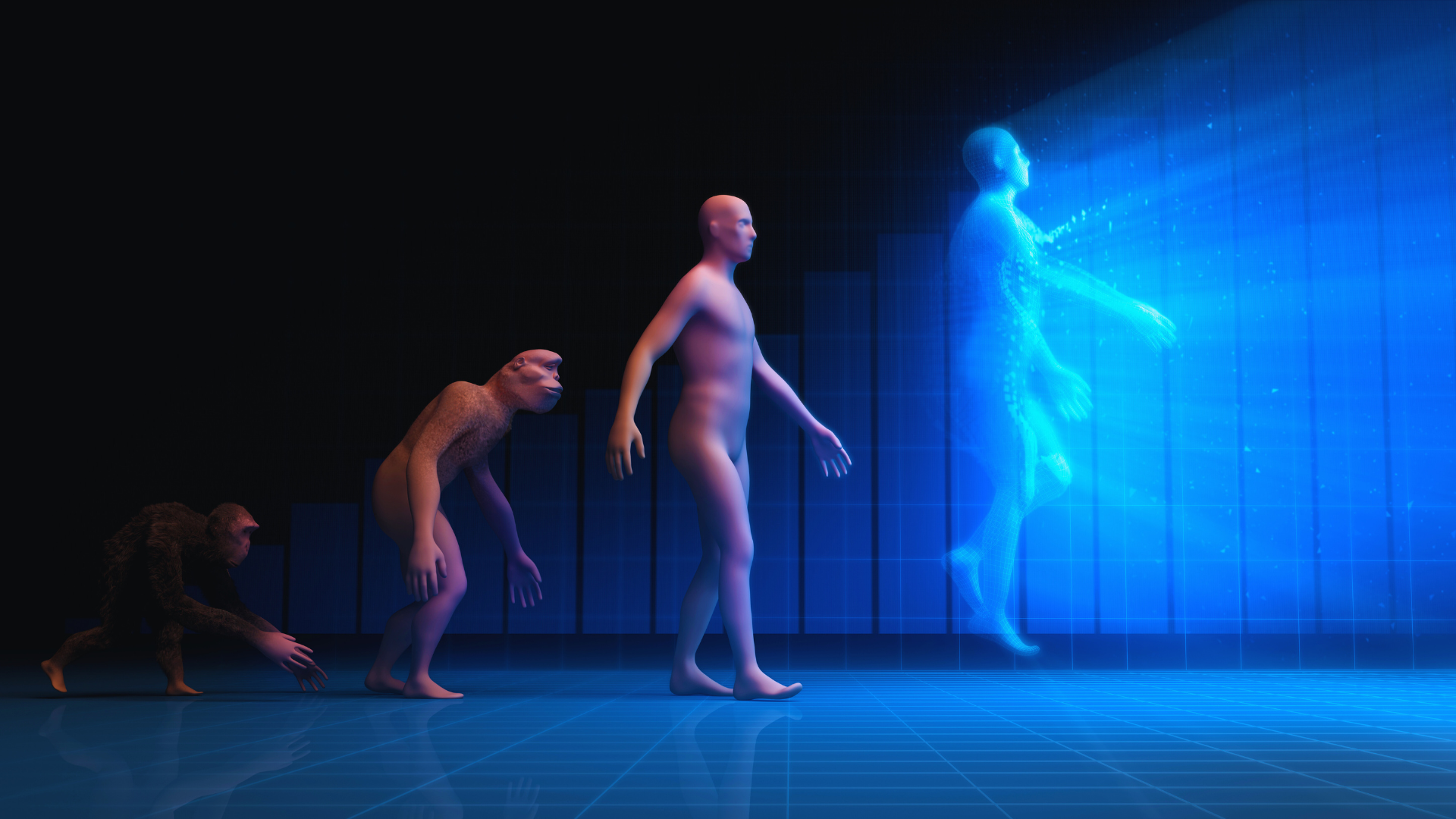
Evolution is a fundamental concept in biology that explains how species change over time. It is driven by processes such as natural selection, mutation, and genetic drift, which lead to the diversity of life we see today. Understanding these basic principles helps clarify the connections among all living organisms.
Many people have questions about how evolution operates and what evidence supports it. By exploring the intricacies of evolution, readers can appreciate the mechanisms behind the development of species and the adaptive traits they exhibit. This exploration of evolution not only enriches one’s knowledge but also fosters a greater appreciation for the complexity of life on Earth.
Grasping the basics of evolution invites curiosity about the origins of various species and the ongoing processes that shape them. With an understanding of evolution, individuals can engage more deeply in discussions about biodiversity, conservation, and the future of life itself.
Historical Context of Evolutionary Theory
The development of evolutionary theory is rooted in a rich historical context, influenced by various thinkers and discoveries. Key contributions span from early ideas to the pivotal theories of Darwin and subsequent genetic research shaping modern understanding.
Pre-Darwinian Theories
Before Darwin, several philosophers and scientists proposed ideas about the origins of life. Concepts such as spontaneous generation, where life arose from non-living matter, were prevalent. Ancient Greek philosophers like Aristotle suggested that species were fixed and unchanging.
In the 18th century, Georges-Louis Leclerc, and Comte de Buffon, considered the idea that species could change over time in response to their environment. Additionally, Jean-Baptiste Lamarck introduced the notion that organisms could pass on traits acquired during their lifetime. These early theories laid the groundwork for later evolutionary thought, despite lacking a clear mechanism.
Darwin’s Natural Selection
Charles Darwin’s voyage on the HMS Beagle from 1831 to 1836 profoundly influenced his views on evolution. Observations of species variation, especially in the Galápagos Islands, led to the formulation of his theory of natural selection. In 1859, he published On the Origin of Species, where he proposed that species evolve through a process where advantageous traits become more common in a population.
Natural selection operates on the principle that individuals with traits better suited to their environment are more likely to survive and reproduce. This mechanism provided a scientific explanation for the diversity of life and challenged existing views of fixed species, significantly shifting the paradigm of biological thought.
Mendelian Genetics and Modern Synthesis
The rediscovery of Gregor Mendel’s work in the early 20th century introduced genetics to evolutionary theory. Mendel’s principles of inheritance showed how traits are passed through generations, revealing the role of genes in evolution. This discovery allowed scientists to understand the hereditary basis of variation crucial for natural selection.
The modern synthesis emerged in the 1930s and 1940s, integrating Mendelian genetics with Darwinian evolution. Notable figures, including Theodosius Dobzhansky and Julian Huxley, contributed to this synthesis. It emphasized the importance of genetic change in populations over time and solidified the framework for contemporary evolutionary biology, bridging gaps between genetics, paleontology, and ecology.
Mechanisms of Evolution
Evolution occurs through several key mechanisms that alter genetic variation within populations. These processes contribute to changes in traits over generations, influencing how species adapt to their environments.
Mutation
Mutation is a random change in the DNA sequence of an organism. These alterations can occur due to various factors, including environmental influences, replication errors, or exposure to chemicals.
Mutations can be classified into several types:
- Point mutations affect a single nucleotide, potentially changing a single amino acid in a protein.
- Insertions and deletions can add or remove nucleotides, which may lead to significant changes in protein structure.
- Duplications result in segments of DNA being copied, leading to extra genetic material.
While many mutations are neutral or harmful, some confer advantages that can enhance survival and reproduction.
Genetic Drift
Genetic drift refers to random fluctuations in allele frequencies within a population. It is especially pronounced in small populations, where chance events can significantly change genetic makeup over generations.
Key points about genetic drift include:
- Bottleneck effect: A sudden decrease in population size can lead to a loss of genetic diversity.
- Founder effect: When a small group separates from a larger population, the new group may have a different genetic composition.
These processes can impact a population’s ability to adapt, leading to increased vulnerability to environmental changes.
Gene Flow
Gene flow involves the transfer of genetic material between populations through migration. This movement can introduce new alleles to a population, increasing genetic diversity. Mechanisms of gene flow include:
- Dispersal: Individuals from one population move to another and breed.
- Pollination: Plants can exchange genetic material through pollen carried by wind or insects.
Gene flow counteracts the effects of genetic drift and local adaptation, ensuring that populations remain genetically connected.
Natural Selection
Natural selection is a mechanism where individuals with advantageous traits are more likely to survive and reproduce. Over time, these traits become more common in the population. Natural selection operates through several processes:
- Directional selection favors one extreme phenotype, shifting the population mean.
- Stabilizing selection favors intermediate phenotypes, reducing variation.
- Disruptive selection favors multiple extreme phenotypes, potentially leading to speciation.
This process is essential for adaptation and evolution, shaping the course of species over time.
Sexual Selection
Sexual selection is a type of natural selection that centers on reproductive success. It occurs when certain traits increase an individual’s chances of attracting mates. Key elements include:
- Intrasexual selection: Competition among individuals of one sex for access to mates.
- Intersexual selection: Preferences by one sex for certain traits in the opposite sex, often leading to elaborate characteristics.
Sexual selection can drive the evolution of striking features, such as bright plumage in birds or complex mating calls, significantly influencing biodiversity.
Evidence Supporting Evolution
The evidence for evolution comes from various scientific fields, demonstrating how species adapt and change over time. Key areas include fossil records, comparative anatomy, molecular biology, and biogeography.
Fossil Record
The fossil record provides a chronological sequence of life forms that existed on Earth. It offers concrete examples of transitional forms, illustrating the gradual changes in species over millions of years. For instance, fossils of ancient whales show a transition from land-dwelling mammals to fully aquatic creatures, displaying changes in limb structures and skull shapes.
Key fossils, such as the Archaeopteryx, bridge the gap between dinosaurs and birds. Fossils are dated using methods like radiometric dating, which allows scientists to estimate their ages accurately. The geological layers in which fossils are found also support the timeline of evolutionary history.
Comparative Anatomy
Comparative anatomy examines the similarities and differences in the anatomy of different species. This field reveals homologous structures—body parts that share a common ancestry but may serve different functions. For example, the forelimbs of mammals, birds, and reptiles show similar bone structures, indicating a shared evolutionary origin.
Vestigial structures are another important aspect. These are remnants of organs that had important functions in ancestral species but have since lost their original purpose. Examples include the human appendix and whale pelvic bones, highlighting how evolution can lead to changes in functionality over time.
Molecular Biology
Molecular biology analyzes the genetic material of organisms to uncover evolutionary relationships. DNA and RNA comparisons between species reveal similarities in genetic sequences. For instance, humans share about 98% of their DNA with chimpanzees, indicating a close evolutionary relationship.
Proteins, which are coded by DNA, also provide insights. The structure and function of specific proteins can be compared across species to trace evolutionary links. Techniques such as genome sequencing enable scientists to create phylogenetic trees, mapping out how different organisms are related through evolutionary history.
Biogeography
Biogeography studies the distribution of species across geographical areas. It helps explain how geographical barriers, such as mountains and oceans, influence species evolution. Isolated environments often lead to unique evolutionary paths, as seen in the distinct species found on the Galápagos Islands.
Patterns of species distribution reflect historical continental movements. For instance, fossil evidence shows that similar species once inhabited now-separated landmasses, supporting the theory of continental drift. This evidence illustrates how geography can shape the evolutionary process, leading to biodiversity in different regions.
Microevolution and Macroevolution
Microevolution refers to small-scale changes within a species over time. These changes can result from mutations, natural selection, or genetic drift.
Examples of microevolution include:
- Antibiotic resistance in bacteria
- Color variation in a butterfly population
- Beak shape changes in finch species
These variations typically occur over short time frames. They are often observable within a few generations. Macroevolution, on the other hand, describes larger evolutionary trends. This includes the formation of new species and the diversity of life.
Key aspects of macroevolution encompass:
- Speciation: The process through which new species arise.
- Extinction events: Periods where significant numbers of species disappear.
- Major evolutionary transitions: Such as the development of feathers in birds from their dinosaur ancestors.
Differences between microevolution and macroevolution include the scale and time frame. Microevolution is seen on a smaller scale, while macroevolution addresses large-scale patterns over millions of years.
Both processes contribute to the rich tapestry of biodiversity. Together, they provide a comprehensive view of how life evolves and adapts over time.
Speciation
Speciation refers to the process by which new species arise. It occurs through various mechanisms, leading to biodiversity in different environments. The main types of speciation include allopatric, sympatric, peripatric, and parapatric speciation.
Allopatric Speciation
Allopatric speciation occurs when a population is geographically isolated. This isolation can arise from physical barriers like mountains or rivers. Over time, the separated populations may undergo genetic changes due to natural selection, mutation, or genetic drift.
As environmental conditions differ, traits that are beneficial for survival in each habitat become prominent. Eventually, these differences can become significant enough that even if the populations come back into contact, they cannot interbreed successfully. Examples include the Darwin’s finches on the Galápagos Islands, which evolved into distinct species based on their respective islands.
Sympatric Speciation
Sympatric speciation happens without geographic separation. Instead, it occurs when populations occupy the same area but become reproductively isolated. This isolation can result from various factors, including behavioral changes, dietary preferences, or shifts in mating patterns.
A classic example is found in cichlid fish in African lakes, where dietary specialization led to the development of distinct species. By exploiting different ecological niches, these fish underwent significant diversifications, ultimately resulting in multiple species coexisting in the same environment.
Peripatric Speciation
Peripatric speciation is a form of allopatric speciation but involves a small population becoming isolated at the edge of a larger population’s range. This small group may experience different selective pressures, leading to rapid evolutionary changes.
Because the population size is reduced, genetic drift can have a more pronounced effect. Over time, this leads to distinct adaptations to the local environment. An example can be observed in polar bears, which evolved from brown bears as they adapted to life in Arctic conditions.
Parapatric Speciation
Parapatric speciation occurs when populations are partially separated and can interbreed along a boundary, or hybrid zone. These populations experience different environments, which leads to varying selection pressures.
Over time, even with contact across the boundary, differences in traits can become more pronounced, resulting in reduced interbreeding. An example includes the grass species Anthoxanthum odoratum, where variation in environmental factors leads to differentiated populations that adapt to their specific local soil types.
Evolution of Populations
Populations evolve through mechanisms that alter their genetic makeup over time. Two crucial aspects of this process are genetic variation and population genetics.
Genetic Variation
Genetic variation refers to the differences in DNA sequences among individuals within a population. This variation is essential for evolution, as it provides the raw material for natural selection to act upon.
Sources of Genetic Variation:
- Mutations: Random changes in DNA that create new alleles.
- Gene Flow: Movement of genes between populations, introducing new alleles.
- Sexual Reproduction: Combines alleles from two parents, resulting in diverse offspring.
Increased genetic variation can enhance a population’s ability to adapt to environmental changes. Conversely, low variation may lead to increased vulnerability to diseases and changes in habitat.
Population Genetics
Population genetics studies the distribution and changes of allele frequencies in populations. This field employs mathematical models to understand evolutionary processes.
Key Concepts:
- Hardy-Weinberg Equilibrium: A principle that describes a stable population where allele frequencies do not change unless acted upon by external forces.
- Genetic Drift: Random fluctuations in allele frequencies, which can have significant effects in small populations.
Population genetics highlights how various factors, such as selection pressures and genetic drift, shape the genetic structure over time. Understanding these dynamics offers insights into the evolutionary trajectory of species.
Evolutionary Developmental Biology
Evolutionary developmental biology explores the relationship between the processes of evolution and the development of organisms. It examines how developmental processes contribute to evolutionary change and how evolution, in turn, influences development.
Modularity
Modularity in evolutionary developmental biology refers to the notion that certain traits or processes can develop independently of others. Organisms may consist of modules, which are semi-independent units of structure or function.
Examples of modular traits include:
- Body parts: Such as limbs or organs.
- Behavioral patterns: These can evolve separately from physical traits.
This concept allows for varying combinations of traits to emerge through evolution, fostering diversity. Modular systems facilitate adaptation since changes in one aspect do not necessarily disrupt the overall functionality of the organism.
Heterochrony
Heterochrony describes changes in the timing of developmental events, which can lead to significant evolutionary changes. By altering the timing of growth or development stages, organisms can exhibit distinct characteristics from their ancestors.
Types of heterochrony include:
- Paedomorphosis: When juvenile traits become retained in adults.
- Metamorphosis: When adults develop extended or exaggerated traits not found in their ancestors.
Heterochrony plays a critical role in speciation and adaptation, often leading to unique evolutionary trajectories in different lineages.
Homeotic Genes
Homeotic genes are crucial for determining the identity and position of body parts during development. They play a significant role in the modularity and heterochrony of organisms by regulating patterns of development.
Key features of homeotic genes include:
- Conserved sequences: These genes often remain similar across diverse species.
- Regulatory networks: They interact with various pathways to orchestrate complex developmental processes.
Mutations in homeotic genes can lead to profound changes in morphology and significant evolutionary innovations. The study of these genes provides insight into how specific structures evolve and how changes can propagate through populations over time.
Co-evolution and Evolutionary Ecology
Co-evolution involves reciprocal evolutionary changes in interacting species. This dynamic is crucial in evolutionary ecology, as it highlights the interconnectedness of species through various interactions such as parasitism and mutualism.
Host-Parasite Co-evolution
Host-parasite co-evolution describes the evolutionary changes between hosts and their parasites. As parasites adapt to exploit their hosts more effectively, hosts simultaneously evolve defenses. For example, many plants develop chemical defenses to deter herbivorous insects. In response, those insects may evolve resistance to these chemicals, resulting in a continuous cycle of adaptations.
This interaction shapes both the genetic diversity and population dynamics of involved species, ultimately influencing ecosystem health.
Mutualism and Commensalism
Mutualism and commensalism represent two types of symbiotic relationships where species interact for mutual benefit or one-sided benefit, respectively. In mutualism, both species gain advantages. An example is the relationship between bees and flowering plants. Bees obtain nectar for food, while plants benefit from pollination.
Commensalism describes a relationship where one species benefits and the other is neither helped nor harmed. Barnacles on whales exemplify this, where barnacles gain mobility to nutrient-rich waters without affecting the whale. Both interactions promote biodiversity and ecological balance, underscoring the complexity of evolutionary relationships.
Evolutionary Arms Race
The evolutionary arms race refers to the dynamic where competing species evolve adaptations and counter-adaptations in response to each other’s changes. Predators and prey are classic examples. As prey evolve better defenses—like speed, camouflage, or toxins—predators also adapt to improve their hunting strategies.
This ongoing struggle can lead to specialized traits, such as the development of sharper teeth in predators or enhanced agility in prey. The arms race can significantly shape biodiversity, as these adaptations drive species toward greater specialization and diversification, impacting ecosystem structures.
Human Evolution
Human evolution traces the development of modern humans from early hominids through various stages of adaptation and migration. Key developments include the emergence of the genus Homo and significant migrations out of Africa, shaping the genetic and cultural features of contemporary humans.
Early Hominids
Early hominids, such as Australopithecus afarensis, emerged around 4 million years ago. Fossils like “Lucy” provide insight into bipedalism and social structures. They exhibited both ape-like and human-like traits, with adaptations for foraging in diverse environments.
These hominids showed a reduction in canine size, indicating a shift from aggressive behaviors to social cooperation. Their use of simple tools marks the beginning of technological development.
Genus Homo
The genus Homo appears approximately 2.5 million years ago, characterized by increased brain size and tool sophistication. Notable species include Homo habilis, recognized for advanced tool use, and Homo erectus, which demonstrated the ability to control fire and create complex tools.
Homo sapiens emerged around 300,000 years ago with even larger brains. This marked significant advancements in language, culture, and social structures, laying the foundation for modern human societies.
Out of Africa Theory
The Out of Africa theory posits that modern humans originated in Africa and migrated to other continents around 60,000 years ago. Genetic evidence supports this model, showing that non-African populations descended from a small group that left Africa.
Archaeological findings reveal that these early humans adapted to diverse climates and landscapes. They developed various hunter-gatherer societies, utilizing migration routes that shaped population distribution.
Recent Human Evolution
Recent human evolution involved genetic adaptations to different environments, such as lactose tolerance in agricultural societies. The last 10,000 years saw significant changes due to domestication, leading to the rise of civilizations.
Modern humans continue to evolve, influenced by environmental pressures, diet, and technology. Genetic variation among populations highlights the continuous interplay between ancestry and adaptation, affecting health and disease susceptibility.
Impact of Evolutionary Theory
Evolutionary theory has profoundly shaped scientific, cultural, and medical disciplines. It provides a framework for understanding biological diversity and the processes that drive changes in species over time. This framework influences not only scientific research but also societal perspectives and practices.
Societal Influence
The impact of evolutionary theory extends beyond science into societal beliefs and values. It has prompted discussions about the origins of humanity and the interconnectedness of life. These discussions often influence education, with debates surrounding the inclusion of evolutionary biology in school curricula.
Key Points of Societal Influence:
- Cultural Perspectives: Evolution challenges traditional views regarding the creation of life and human existence.
- Educational Impact: Many educational systems include evolution as a core component, affecting how future generations understand biology.
The principles of evolution also affect ethical considerations in conservation and environmental policies, emphasizing biodiversity’s importance.
Applications in Medicine and Science
Evolutionary theory is crucial in various fields of medicine and scientific research. It assists in understanding disease mechanisms, particularly in the context of antibiotic resistance and the evolution of pathogens.
Key Applications in Medicine:
- Antibiotic Resistance: Understanding how bacteria evolve helps in developing effective treatments.
- Vaccine Development: Insights into the evolution of viruses inform vaccine strategies, enhancing public health responses.
In broader scientific fields, evolutionary concepts guide research in genetics, ecology, and behavior. For instance, evolutionary biology informs conservation efforts, highlighting species adaptation and resilience.










Post Comment