Small Bins, Big Wins: Getting Your Business Waste Right
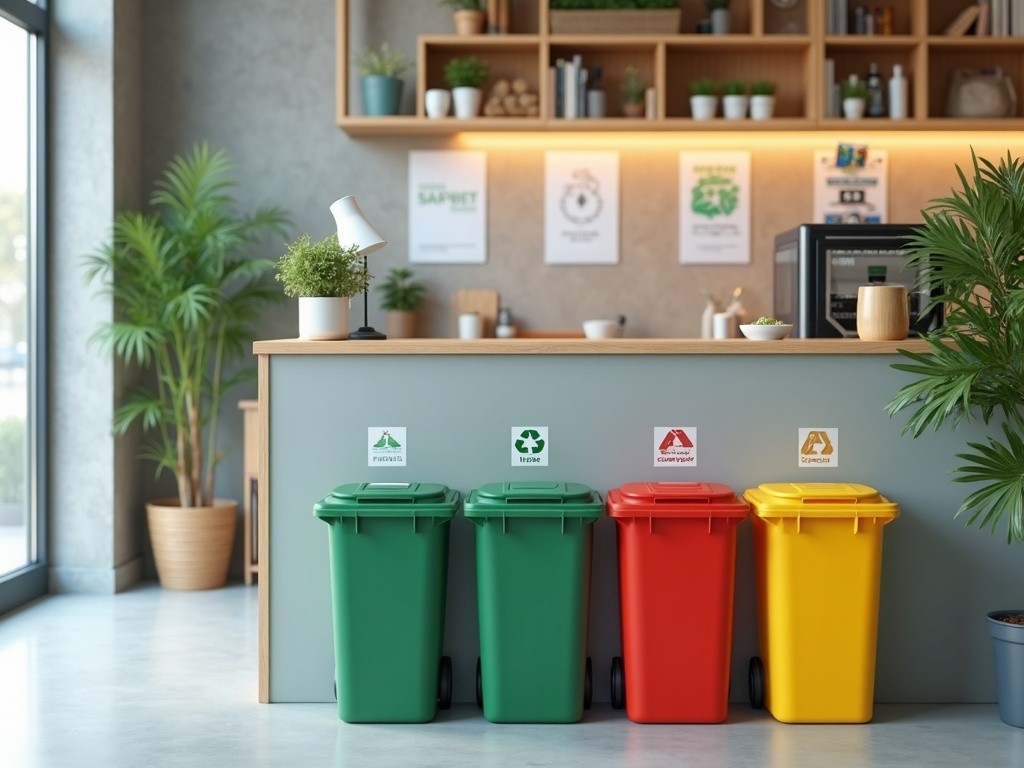
Keeping a workplace clean is not just about making it look neat. It also keeps costs under control, helps the team focus, and shows customers that the place is run well. The good news is that smart waste habits are simple. With the right bin sizes and a clear plan, any shop, office, café, salon, or small warehouse can stay tidy without spending extra money.
What “getting waste right” actually means
Getting waste right means matching your bins and pickups to what your site produces day by day. It is not about huge skips or fancy systems. It is about the small choices that stop overflow, reduce smells, and prevent mixed bags that end up costing more. When bins fit the waste, floors stay clear, staff move faster, and no one has to scramble on busy days.
Think of it as three parts that work together: the types of waste you make, the sizes of bins you use, and the schedule for collections. When those three match, the rest is easy.
Know your waste: a quick map
Every site has its own mix, but most business waste falls into a few simple groups. There is dry mixed recycling such as cardboard, paper, cans, and clean plastic bottles. There is general waste for items that cannot be recycled. Some places create food waste, such as cafés and offices with kitchens. Others have glass from drinks service, or packaging film from deliveries. Construction sites and workshops may add bulky items or rubble.
Walk the space and watch what fills up first. A coffee shop might see cardboard cup trays and food scraps pile up by lunch. An office may have paper and snack wrappers peaking after meetings. A salon could have product bottles and cardboard boxes from stock. Write down what you see for one normal week. This is the most honest picture of your needs.
Match bin size to what you create
Right-sizing bins is where the savings start. A bin that is too small overflows, creating extra lifts and clean-up time. A bin that is too big looks empty, which means paying for air. The aim is steady fill, not constant overflow or half-empty collections.
Start with the hotspots you noticed. If cardboard stacks up fast, give it a dedicated bin with a clear sign and put it near the unpacking area. If lunch waste spikes between 12 and 2, place a food caddy within a few steps of the kitchen. Keep general waste away from recycling so people do not toss everything into the nearest lid.
Test one or two changes for a week. If bags still bulge, size up. If bins go out half full, size down or cut a pickup. Perfect sizing rarely happens on day one; small tweaks get you there.
Pickup timing: the quiet money saver
Collection timing matters as much as bin size. Many sites can move from daily collections to fewer, well-timed lifts once bins fit better. Match pickups to your busy periods. A venue could add an extra lift on event days and skip a quiet midweek run. A café may need early morning collections to keep the back area fresh before opening.
When the plan fits the rhythm of the site, workers spend less time dragging bags around and more time serving customers. Complaints drop. Odours fade. The whole place runs smoother.
Where to start: service and schedule
A reliable service makes the plan work in real life. Local providers can offer flexible bin sizes and set collection slots that suit your hours. If a trustworthy team is needed, consider using a company specializing in Waste Removal & Collection; a steady partner keeps things simple and helps adjust the plan as your site changes.
Ask for a quick audit. Show the week’s notes on what filled up and when. Request a plan that uses the smallest bins needed, plus a schedule that tracks your busy times. Small bins with more precise pickups often cost less than big bins on a fixed, generic route.
Stop mixing before it starts
Mixing waste ruins recycling and can lead to extra fees. The fix is not more rules; it is smart layout and clear labels. Put each bin exactly where that type of waste appears. Cardboard belongs near goods-in, not at the other end of the building. Food bins sit by prep areas, not the staff exit. Glass bins go near the bar or dish area.
Labels should be short and obvious. “Cardboard only. No food.” “Food waste only. No packaging.” Use photos if staff speak different first languages. Keep lids, colours, and shapes consistent across the site so choices feel the same in every room.
If a load gets rejected once, check what went wrong the same day. Move a bin, change a sign, or add a small counter-top caddy. Quick changes stop repeat mistakes.
Make it easy for staff
People will use the system that is easiest in the moment. Place bins within a few steps of where waste appears. Keep lids easy to open. Use bags that fit so no one has to fight with them. Train in minutes, not hours: walk the team to each bin, say what goes in, and why it matters for costs and hygiene. A calm, short demo beats a long policy file.
Give one person the role of “bin captain” per shift or per week. That person does a two-minute check: are lids closing, are bags tied off, are signs still clear? Tiny daily checks keep small problems from turning into messy ones.
Track a few numbers
A handful of numbers tells you if the plan works. Check average fill level at pickup (aim for about three-quarters full), the number of lifts per week, and any fees for mixed loads. If odours or pests pop up, record when and where. Link those notes to staffing levels and deliveries to see patterns.
When you have three or four weeks of data, ask for a service tweak. You might drop one lift, switch a bin size, or add a food caddy near a new kitchen station. Each change should be small and easy to reverse if needed.
Keep customers’ first impression in mind
Customers notice smells, clutter, and stray bags. Keep bins out of sight from the entrance and seating areas. Avoid stacking cardboard in hallways “for later.” If your site must store bins outside, make sure lids close and the area is swept daily. Quick wins such as wiping lids and tying bags tightly make a big difference to how the place feels.
For sites open late, plan where bags wait before collection. A tidy, closed bin is better than a loose stack by the door. Small courtesies, such as timing glass disposal when the space is empty, also reduce noise and complaints.
Handle food waste the simple way
Food waste turns smelly fast. Use tight-lidded caddies lined with compostable bags. Empty them before they are crammed full. Store full bags in a closed bin away from heat sources. In kitchens, keep a small caddy on the prep counter to catch peelings and scraps during busy runs. Moving the caddy just a few steps can cut spills and save time.
If the site throws away a lot of prepared food, add labels to storage containers with dates. Clear labels mean fewer surprises at the back of the fridge and less waste overall.
Plan for busy days and rare items
Every business has spikes. Market days, school holidays, new product drops, or a concert next door can change the flow. Have a simple “surge plan.” This could be a spare flattened cardboard bin ready to pop open, a backup glass tub, or one extra lift booked during known peaks. Planning for the spike beats paying emergency fees.
For rare items such as old displays, broken chairs, or IT gear, do not jam them into daily bins. Set them aside and arrange a one-off collection. Keeping bulky items out of the routine prevents damaged lids and extra lifts.
Key takeaways and next steps
Better waste habits start with small moves that match real life. Watch what fills up, size the bins to fit, and place them where waste appears. Time the collections to your busy hours so bins leave at the right moment, not too soon or too late. Keep labels short and clear, give one person a quick daily check, and track simple numbers for a few weeks. Then adjust.
Pick one area to improve this week—cardboard near goods-in, a food caddy by the prep table, or a right-sized glass bin by the bar. Share the plan with the team, make the layout easy, and review it after seven days. Small bins, used well, win every time.










Post Comment