How to Deal With an Arrest for Drug Possession
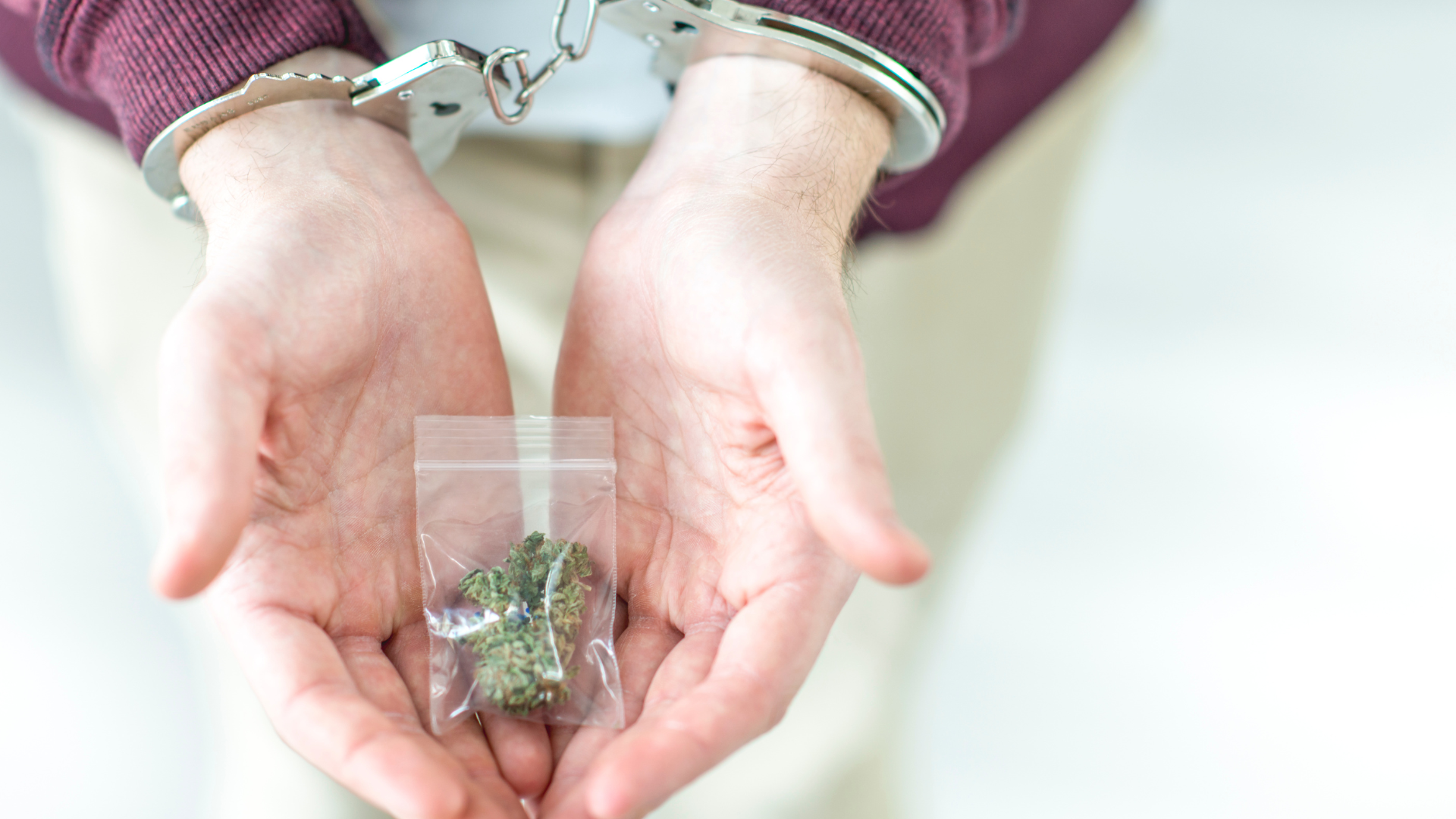
In the event of an arrest for drug possession, it is vital to be well-informed about the appropriate actions to take and how to handle the circumstances. Whether it’s yourself or someone you know who is facing such a situation, understanding the necessary steps and approaches becomes crucial.
This article will provide you with some tips on how to handle an arrest for drug possession, as well as information on what could happen next, for example, how to pick out a good attorney (you can try this page for more information).
Keep in mind that if this is your first offense, the courts may be more lenient on you, and may require you to, instead of serving jail time, pay a fine or take some classes about the awareness of drugs and how they can affect you.
This does depend on what you have been caught with, e.g., class A or B
- Class A – Heroin, GHB, Morphine, and Ketamine.
- Class B – Cocaine, Ecstasy, Speed, LSD, PCP, and Meth.
These are from the U.S. rankings; other countries will have different classes for drugs. Looking up what convictions can be dealt for these different drug possessions will help you see exactly what you could be facing when going to court.
Remain calm
It is crucial to stay calm and collected if you are arrested. This can be difficult, but you need to be aware that anything you say or do can be used against you in court. You have the right to remain silent, and you should exercise that right. You should also avoid answering any questions without a drug lawyer present.
They will say that if you cannot afford an attorney one can be provided for you, however, if you are serious about fighting this conviction, then you will want to pick an attorney that will see it through and help you toward your goal of getting through this conviction.
Call an attorney
Have you been arrested for a drug crime ? Consult an attorney immediately. An experienced attorney will be able to advise you on what to do next and help you navigate the legal system. They can also help you understand the charges against you and ways to handle the proceedings.
If you are convicted of drug possession, you could face serious penalties. These can include jail, fines, and a permanent criminal record. An attorney can help you understand the possible consequences of a conviction and help you fight for the best possible outcome.
It is in your best interest to be fully transparent with your attorney, disclosing all relevant details about the incident, your actions, and any additional information that may arise during the trial. Maintaining complete openness will enable them, and ultimately you, to adequately prepare for the legal proceedings and strive for a positive outcome.
When a person is taken into custody, their family often struggles to find where they are being held. This process is often stressful and confusing for those on the outside. Using a resource like inmateinformationservice.com helps people locate their loved ones in the system quickly. It provides clear details about facility locations and booking status. Having this information allows families to coordinate with lawyers and arrange for bail or visits. It is a helpful step in managing the immediate aftermath of an arrest.
Seek Treatment
One of the most effective steps individuals can take following a drug possession arrest is to seek professional treatment. Legal consequences can be daunting, but addressing the root causes of substance abuse is essential for long-term recovery and preventing future arrests.
Depending on the individual’s needs, structured programs can include medically supervised detox, residential therapy, and integrated mental health services that address co-occurring disorders. For people in the Dallas–Plano area, connecting with providers that use trauma‑informed, evidence‑based care improves the chances of sustained recovery and reduces relapse risk.
A local addiction treatment center can help coordinate detox, inpatient treatment, and aftercare planning so defendants can demonstrate concrete steps toward rehabilitation. Courts often view participation in such comprehensive programs as a mitigating factor when considering sentencing or diversion options. This not only supports recovery but also shows accountability and a genuine commitment to positive change.
Effective comprehensive care often integrates various modalities to address the complex nature of substance use disorders. For instance, many evidence-based approaches now include medication-assisted treatment (MAT) for opioid and alcohol dependence, utilizing prescription medications like Suboxone or Naltrexone to manage cravings and withdrawal symptoms. When combined with counseling, behavioral therapies, and psychosocial support, these programs offer a robust pathway to sustained recovery. Understanding the full spectrum of available addiction treatment options is crucial for individuals seeking to overcome dependency and demonstrate a commitment to long-term health.
In particular, committing to structured recovery, such as a 30 day inpatient rehab program, can provide the stability and support needed in the early stages of sobriety. These programs offer intensive therapy, medical support, and a safe environment away from triggers, increasing the chances of sustained recovery.
Judges and prosecutors may also view a proactive approach to treatment as a sign of personal responsibility, which could positively influence court outcomes. While rehab is not a guaranteed legal solution, it demonstrates a commitment to change that courts often take into account.
Future convictions
If you are found to be in possession again of an illegal substance, then you could be looking at larger fines and actual jail time. Depending on the nature of the possession and what you were doing with the drugs, you could be looking at life imprisonment, especially if you are distributing the drugs you have.
If you are in possession as well as distributing class A drugs, then it is more than likely that you will be sent to jail for the rest of your life, as it is an extreme offense. On a lesser scale, just under 20 years in prison may be the best that you can get.
Keep this in mind if you are caught with any type of drug that you have to go to court with. Even with help from a good attorney, you still may face extreme charges if you re-offend within a certain time frame or just in general.
Conclusion
If you or someone you know has been arrested for drug possession, contact an experienced attorney today. They can answer any questions you have and help you protect your rights.











Post Comment