How to Create a Winning Business Plan for Startups: Essential Steps for Success
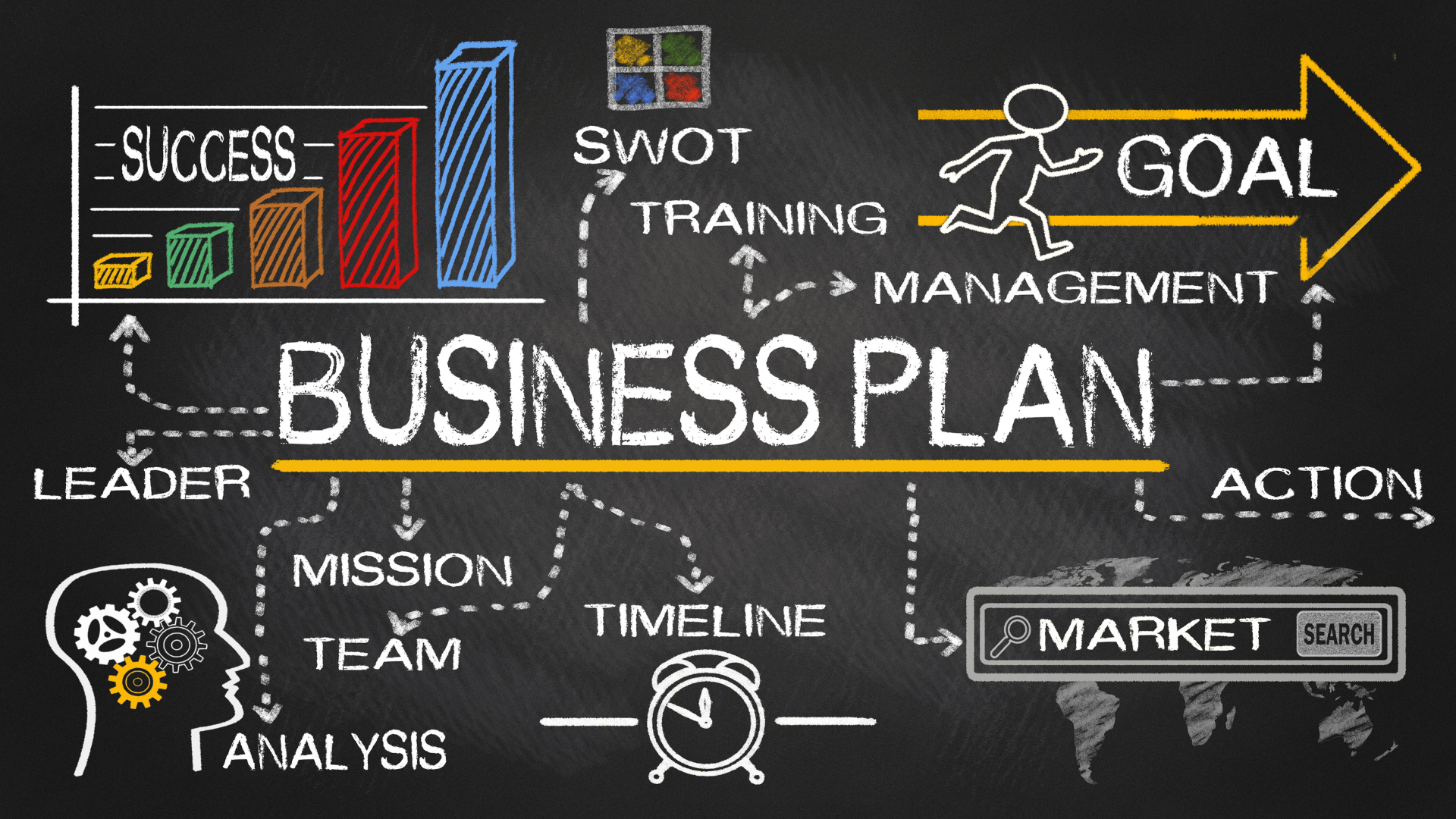
Creating a winning business plan is essential for any startup aiming to secure funding and navigate the competitive landscape. A well-structured business plan not only outlines the vision and goals of the startup but also provides a roadmap for achieving them. This document serves as a communication tool that conveys the potential of the business to investors, partners, and stakeholders.
Key components of a successful business plan include a thorough market analysis, a clear value proposition, and a detailed financial plan. It also includes strategic planning for eventual scaling up through systems like 3PL storage, logistics coordination, and other support structures that enable smooth business growth and expansion. By focusing on these elements, startups can increase their chances of receiving support and achieving long-term success.
A compelling business plan illustrates the startup’s unique strengths and potential challenges while offering solutions. Engaging narratives combined with solid data create a persuasive argument that resonates with readers. By mastering these essentials, a startup can set itself apart in a crowded market and inspire confidence among investors.
A guide to starting a plumbing company, a fashion brand, or any other type of business, for that matter, can be incredibly valuable when creating a strong foundation. Such guides often provide insights into market research, budgeting, operations, branding, and long-term growth strategies, helping entrepreneurs make informed decisions from the beginning.
Market Analysis
A thorough market analysis provides essential insights into the industry landscape, target customers, and competitors. This understanding is crucial for defining strategy and positioning within the market.
Industry Overview
The industry overview outlines the current state and potential growth of the sector. This includes market size, trends, and key players.
- Market Size: Analyze total revenue, growth rates, and market share held by major companies.
- Trends: Identify trends shaping the industry, such as technological advancements, regulatory changes, or shifts in consumer behavior.
For instance, the rise of e-commerce has significantly impacted retail. Being aware of these trends helps in anticipating future changes and adapting strategies accordingly.
Target Market Identification
Target market identification focuses on defining the specific group of customers a startup intends to serve. Understanding demographics, preferences, and purchasing behaviors is vital.
- Demographics: Analyze the age, gender, income level, and education of potential customers.
- Psychographics: Study interests, values, and lifestyle choices that influence purchasing decisions.
Using surveys and market research can provide valuable data. This enables a business to tailor products and marketing strategies to meet the specific needs of the target audience.
Competitive Analysis
A competitive analysis examines the strengths and weaknesses of existing competitors. It serves as a foundation for developing a unique value proposition.
- Direct Competitors: Identify companies offering similar products or services. Analyze their market share, pricing strategies, and customer reviews.
- SWOT Analysis: Conduct a SWOT analysis (Strengths, Weaknesses, Opportunities, Threats) for each competitor to identify areas where the startup can gain a competitive edge.
By understanding the competitive landscape, a startup can position itself effectively and differentiate its offerings to attract customers.
Business Model
A well-defined business model outlines how a startup creates, delivers, and captures value. It includes key components such as product and service offerings, the revenue model, and the structure of business operations.
Product and Service Offerings
Startups must clearly define their product and service offerings to address customer needs effectively. This includes detailing the features, benefits, and differentiators of the offerings.
- Core Products/Services: Identify the primary products or services that will meet market demands.
- Unique Selling Proposition (USP): Establish what makes the offerings stand out from competitors.
- Customer Segmentation: Understand which specific customer segments will benefit from these offerings.
Effective communication of the product or service’s value can enhance customer interest and lead to successful sales.
Revenue Model
The revenue model specifies how the startup intends to generate income. This can vary widely depending on the industry and target market.
- Pricing Strategy: Determine whether to use flat fees, subscription models, or tier-based pricing.
- Multiple Revenue Streams: Consider integrating various income sources, such as upselling or cross-selling products.
- Sales Channels: Identify the most effective distribution channels, including online, retail, or partnerships, to reach the target audience.
A clear revenue model provides insight into potential profitability and long-term sustainability.
Business Operations Structure
A solid operational structure is essential for efficiency and growth. This section outlines how resources will be organized to deliver products and services.
- Team Structure: Define roles and responsibilities within the startup, ensuring everyone knows their specific contributions.
- Processes and Systems: Implement streamlined processes for operations, from supply chain management to customer service.
- Technology Utilization: Leverage technology tools to enhance productivity and communication within the team.
An efficient operational structure supports scalability and adaptability in a changing market landscape.
Marketing and Sales Strategy
A comprehensive marketing and sales strategy is essential for any startup. This section outlines key components to effectively reach target customers and drive sales.
Marketing Plan
For traditional marketing, startups can explore methods such as print advertising, local events, networking, and partnerships to build visibility within their community. On the digital front, the first essential step is creating a professional website that showcases services, builds credibility, and serves as a central point for customer engagement.
Beyond a website, developing a mobile app can further strengthen a startup’s digital presence by offering convenient booking options, showcasing portfolios, or delivering personalized experiences. With the support of experts in app development columbus ohio, or similar professionals elsewhere, startups can build a custom app that enhances customer interaction and supports long-term business growth.
A strong marketing plan defines how a startup will attract and retain customers. It should identify target demographics, analyze competitors, and articulate unique selling propositions (USPs).
- Target Audience: Understand who the customers are, including demographics, needs, and preferences.
- Market Trends: Research industry trends to identify opportunities or threats.
- Budgeting: Allocate resources wisely for various marketing efforts, including digital advertising, content marketing, and social media.
Utilizing tools such as customer personas can enhance targeting efforts. Consistent branding and messaging across all channels increases recognition and trust.
Sales Tactics
Effective sales tactics are critical to converting leads into customers. Startups should focus on both inbound and outbound strategies, adjusting based on customer feedback.
- Lead Generation: Use content marketing, social media, and networking to build a list of potential customers.
- Sales Funnel: Design a clear pathway for prospects, detailing each step from awareness to purchase.
- Personalization: Tailor sales approaches based on customer preferences and behaviors.
Training the sales team on product knowledge and objection handling can further enhance performance. Regular evaluation of sales metrics also helps businesses refine their tactics and identify areas for improvement.
In addition to these strategies, many businesses also explore modern sales technologies and AI-driven platforms to improve customer engagement and streamline sales processes.
For example, companies looking to enhance team productivity and improve sales performance can do so by exploring reliable platforms like Salesperson Inc. These providers typically offer AI-powered sales coaching and enablement solutions designed to support more effective lead conversion and greater overall sales efficiency.
Customer Relationship Management
Building strong customer relationships fosters loyalty and encourages repeat business. Implementing a CRM system can streamline this process.
- Data Management: Track customer interactions, preferences, and purchase history for tailored engagement.
- Feedback Loops: Encourage reviews and conduct surveys to assess customer satisfaction.
- Retention Strategies: Develop loyalty programs or exclusive offers for returning customers.
Customer support also plays a pivotal role in maintaining relationships. Quick resolution of issues can significantly boost customer retention and advocacy.
Financial Planning
Financial planning is crucial for startups to ensure they are financially viable. It encompasses estimating startup costs, projecting revenue, and analyzing cash flow. These elements provide a comprehensive financial picture that can guide strategic decisions.
Startup Costs and Capital Requirements
Startup costs refer to the initial expenses required to launch a business, including equipment, licenses, and initial inventory. Businesses can reduce these costs by choosing pre-owned furniture and adopting cost-efficient solutions for daily operations, such as sustainable office heating. Partnering with a reliable propane supplier can further help manage expenses through efficient fuel usage, consistent delivery, and scalable solutions that support long-term savings.
Fixed Costs might include office space and salaries, while Variable Costs can encompass marketing and utilities.
It’s essential to determine the total capital required to cover these expenses until the business generates sufficient revenue. A detailed breakdown of costs helps in sourcing funding effectively, whether through loans, investors, or personal savings.
Projected Profit and Loss
Creating a projected profit and loss statement (P&L) allows entrepreneurs to estimate future revenues and costs. This statement should include sales forecasts, cost of goods sold, and operating expenses.
Revenue Projections can be based on market research and pricing strategies.
Next, list expected operating expenses, including marketing, salaries, and rent. Tripling these estimates for potential overhead can help identify breakeven points. Maintaining a realistic approach will allow better management of financial expectations.
Cash Flow Analysis
Cash flow analysis tracks the inflow and outflow of cash to ensure that the business can meet its obligations. A cash flow statement should include all expected cash receipts and payments over a specified period, typically monthly.
Positive Cash Flow indicates that the business is likely to be sustainable.
To create an effective cash flow projection, owners should account for anticipated sales, payment terms, and seasonal fluctuations. Proper management of receivables and payables is essential to maintain liquidity and avoid cash shortages. This analysis informs when additional funding may be needed to support growth.










Post Comment