From Clinics to Pharmacies, Why Vaccine Fridges Matter
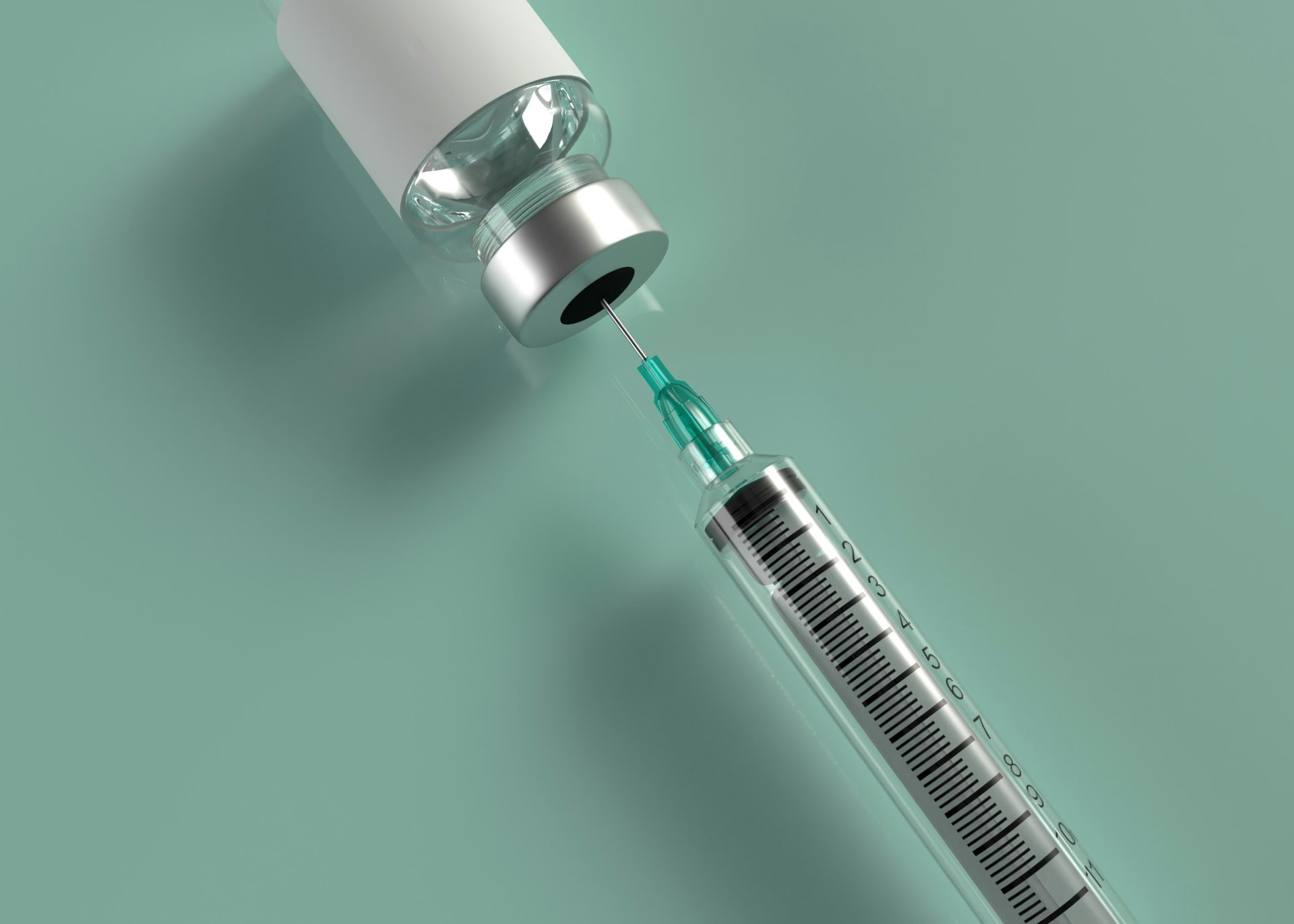
What happens when a vaccine is stored even slightly outside its recommended temperature range? In many cases, it becomes useless. That might sound extreme, but vaccines are far more sensitive than most people realise. Whether it’s a busy clinic or a small community pharmacy, the fridge storing those vaccines plays a critical role in keeping them safe and effective.
Yet, not all fridges are created equal. Using a household fridge for vaccines is like storing fine wine in a garden shed. Temperature swings, poor air circulation, and inconsistent performance can lead to costly wastage. That’s where purpose-built vaccine fridges come in.
This isn’t just about ticking regulatory boxes. It’s about protecting public health, maintaining trust in immunisation programs, and making sure every dose delivered actually works.
Vaccines Are Fragile, Not Just Powerful
Vaccines are biological products. They contain active ingredients that stimulate the immune system, but those ingredients are highly sensitive to temperature changes. If a vaccine gets too warm or freezes, it can break down chemically. Once that happens, it can’t offer proper protection, even if it looks fine.
For most vaccines, the safe temperature range is between 2°C and 8°C. The World Health Organization calls this the “cold chain.” From the time a vaccine leaves the manufacturer, right through transport, storage, and administration, it must stay within that range. Even brief exposure outside this window can make it ineffective.
That’s why proper refrigeration matters so much. A reliable vaccine fridge doesn’t just store medicine. It keeps the cold chain unbroken.
Where It Matters: Every Stage of the Healthcare System
You might assume that vaccine storage is only a concern for hospitals or major clinics. That’s not the case. Vaccines are handled and administered across a wide range of settings, and each of them needs the same level of care.
General Practices and Medical Clinics
These are often the first point of contact for routine immunisations. From childhood vaccines to annual flu shots, clinics are responsible for storing large volumes of stock. If their fridges fail, it can delay treatments and force expensive restocking.
Pharmacies
Community pharmacies are playing a growing role in vaccine delivery, particularly with COVID-19, flu, and travel vaccines. Many operate extended hours and may not have clinical-grade equipment on site. This makes purpose-built vaccine fridges even more essential.
Aged Care Facilities and Outreach Programs
In some settings, vaccines are stored temporarily before being taken out into the field. Portable vaccine fridges are used in mobile clinics, remote communities, and aged care programs. Without precise temperature control, the risk of spoilage goes up dramatically.
The Hidden Costs of Improper Storage
If a fridge fails or fluctuates outside the safe range, the financial hit can be significant. A single batch of vaccines can cost thousands of dollars. Multiply that across a full fridge and the numbers get serious. But the cost isn’t just financial.
Spoiled vaccines can lead to:
- Revaccination – Patients may need to return for a second dose if the first was ineffective.
- Loss of trust – Communities may lose confidence in vaccine programs if they hear of storage failures.
- Wider health risks – Reduced vaccine efficacy can open the door to outbreaks, especially in vulnerable populations.
- Legal and regulatory action – Failing to meet storage requirements can lead to penalties, audits, or loss of accreditation.
These outcomes are avoidable, but only if storage is taken seriously.
What Sets Vaccine Fridges Apart?
It’s tempting to think a standard bar fridge can do the job. It fits in the space. It gets cold. What’s the difference? Quite a lot, actually.
A vaccine fridge is designed specifically to keep temperatures stable, even when the door is opened frequently or the room heats up.
Here’s what separates them:
- Tight temperature control – Built-in sensors constantly monitor and adjust the temperature.
- Uniform cooling – Fans circulate air evenly, preventing cold spots or warm pockets.
- Data logging – Most models track temperature history, allowing for easy audits and alerts.
- Alarms and safeguards – Doors left ajar or power failures trigger warnings immediately.
- Design built for access – Internal layouts are set up to avoid overpacking and allow good air flow around every vial.
When healthcare providers cut corners on refrigeration, they risk all the effort that goes into vaccination programs. A reliable fridge might not seem like a big deal, but it’s the silent partner that ensures every dose is still doing its job.
A Quiet Hero in Disease Prevention
Most people will never think about what happens behind the scenes when they get a vaccine. They won’t ask how it was stored or what fridge it sat in. But those details matter more than they know.
From the largest hospital to the smallest rural pharmacy, vaccine fridges are working quietly in the background. They protect valuable stock, support public health efforts, and help ensure that each immunisation does what it’s supposed to.









Post Comment